Showing posts with label Product Photography Toronto. Show all posts

Sunday, January 11, 2015

3 Straightforward Tips For Adding Photos to Your Website

When it comes to websites, the phrase “less is more” often becomes the rule of thumb many establishments follow. Fancy scrolling banners, introduction animations, and other flashy extras now are considered unnecessary, since visitors usually don't have the patience for them.

Without these extras, though, how can your website stand out amid competition? Keeping it simple actually doesn't mean you can't add a photograph or two, especially if you're selling something. Item descriptions, after all, aren't the same as having good quality product photography Toronto.

Before you go overboard adding the essential photos to your website, though, here are a few tips to remember.

1. Pick a palette. While choosing a vintage look to the photos is tempting, will the yellow-brown, slightly faded colours fit in with the rest of your website? Or will it stick out like a sore thumb and give visitors a headache?


Full-colour photos are usually the best way to go, with a plain background. That doesn't mean you have to use white (although it's a recommended choice). Less saturated, lighter (i.e. almost white) shades of your company logo's colours are possible alternatives.

2. Hire a professional. If you want high quality photos, you'll need to invest in a photographer. Some companies do the do-it-yourself (DIY) route. But that doesn't mean you should, too, unless you know how to set the scene and have the needed equipment.


While you're at it, make sure you give the photographer all the details they need, particularly for the photo shoot, and be sure to put everything in writing. That way, you're on the same page and there would be less chances of miscommunication.

3. Plan ahead. Having one big photo shoot for multiple products is a good idea, compared to having several separate, smaller ones for each product, since you'll save in the long run. Also, make sure to have extra photos you can use in the future, enough to make your catalogue always look fresh and updated.


Planning ahead includes bringing any props you'll need for the shoot. At the same time, keep props to an absolute minimum, to keep the focus on your products.

You don't actually have to be an advertising photographer Toronto to use these tips well. Simply put yourself in your target audience's shoes and determine what they'd want to see. That way, potential clients are enticed, not put off.


Monday, December 15, 2014

3 Essential TRAITS Every Photographer Should Have

Beyond all doubts, we all know that photography is one of today's most admired art. People, whatever the social status could be are easily fascinated by its enchanting realm. Its various purposes along with its tricks and artistic concepts have definitely affected our daily lives.

As a Toronto commercial photographer, I also consider myself as part of the herd of photography fanatics. My undying passion for this art has led me to countless privileges like visiting various places for photography endeavor purposes.

In my recent visit to Europe, I met a photo artist whom I believe is one of the greatest photographers ever existed on the planet! Before I went home, he gave me these 3 tips to become a great photo artist.

1. Infinite Imagination


Perhaps, this one isn't new to you. That's great! However, what you probably don't know is the truth, “Everyone has imagination. Those who excel are the ones who know to use it.”

In your journey to be a great photographer, never be afraid to trust and follow your imagination. Don't let parameters suppress you. If you think your wildest thought is screaming within, unleash it! That's a masterpiece!

2. Creativity! Be Creative!


Think differently. Don't be afraid to experiment and apply new techniques. Ignore the trend and try to change your perspective. However, prepare for the numerous individuals who might criticize your output. Of course, you need them. They're the ones who could identify if you've done something remarkable or not.

Being creative is sometimes a risk. For instance, you're a photographer of a certain advertising firm. Then one occasion, you tried to incorporate new things to your craft. Unfortunately, your superiors didn't like the outcome. Then, you know what happens next.

Remember, art appreciation is subjective. You can't ask a person to like your work. So, if ever someone hates your creations, let it be. It's not the end of the world, right? Just be creative!

3. Undying Perseverance


This will hold everything! Even though you're extremely creative and you have that endless imagination, without the ability to persevere in your endeavor, everything will be useless.

Perseverance is holding on to your goals whatever happens. It's about being patient and dedicated amidst life adversities. If you don't have this attribute, your road to become a successful photographer would be a very dark path.

Ready to become a phenomenal photographer?

As I left the land of Europe, I realized that I have these three attributes. I knew it. Now, I'm ready to be the best advertising photographer Toronto.

Share this article to other aspiring photographers!


Monday, November 24, 2014

Top 5 Toronto Tourist Spots

Travelling is a good stress reliever for some people. There are those who plan extensively before actually jetting off for the week, while others suddenly book a flight to a country or city chosen at random. There's just something about being in a different place that appeals to everyone's inner wanderer.

http://www.productphotocanada.com/pgm/


Nowadays, you're able to browse the internet for photos or videos on a different travel destinations, but there's still nothing like seeing the real thing for yourself. The same can be said of Toronto, Canada. With everything there is to see and do, a Toronto commercial photographer can't always do justice in capturing the entire feel of one tourist spot or another.

So when you do go to Canada's most populous city, what are the places that should be on your itinerary?

1. CN Tower. It may have lost its title as the tallest free-standing structure, but this tower hasn't seen a decrease in the number of visitors to its viewing area or top-floor restaurant. This is the perfect spot for those who want to feel the thrill of looking through a glass floor.

http://www.productphotocanada.com/pgm/


2. Royal Ontario Museum. Also known as the ROM, this building houses more than 40 galleries of art, archaeology, and natural sciences. The diversity of the collections feature Chinese artefacts, a totem pole, and interactive exhibits to delight scores of people. The jagged glass exterior? You'll either hate it or love it.


http://www.productphotocanada.com/pgm/


3. Centre Island. One of a series of small islands comprising the biggest car-free community in North America, Centre Island has restaurants, a yacht club, and several restaurants. You're sure to find lakeside relaxation when you go here to escape busy downtown Toronto.


http://www.productphotocanada.com/pgm/


4. Eaton Centre. Found in the heart of downtown Toronto, this shopping mall houses more than 200 stores. Along with the CN Tower, it's one of the biggest tourist draws in the city. There's even a huge mobile of Canadian Geese, adding to the architectural interest of this spot.


http://www.productphotocanada.com/pgm/


5. Casa Loma. This “House on the Hill”, built by businessman Sir Henry Pellatt, is sure to be a hit with architecture or history buffs. Even with today's professional photography Toronto, it's hard to completely capture the charm and feel of this old brick building.


Wednesday, October 29, 2014

The Difference Between Advertising Photography And Commercial Photography

Toronto Product Photography

A commercial photographer can be an advertising photographer and an advertising photographer can be a commercial photographer, but they are not synonymous. And as nonsensical as this sounds, it's true. They can be both, they can be either or, but they cannot be interchanged.

Generally speaking, commercial photography is a specialized branch of advertising photography, while advertising covers a broader range of product promotion. Most photographers take the difference very seriously. If you were to ask a Toronto commercial photographer for advertising photography, he might end up referring you to someone else.

Or he'd be insulted.

To avoid blunders like this, allow me to break down the difference.

Product Photography toronto

COMMERCIAL PHOTOGRAPHY – IT'S ALL ABOUT THE PRODUCT

This subheading summarized commercial photography perfectly. Commercial photographers take pictures of buildings, models, merchandise, artifacts, and the like, usually with promotional intentions.

However, with commercial photography, it is all about the product. The entire photo shoot is devoted to the merchandise being captured. The lighting, styling, background, and editing are all arranged in a way to really make the product stand out.

ADVERTISING PHOTOGRAPHY – IT'S ALL ABOUT PROMOTION

Toronto Commercial Photographer
Commercial photography falls under advertising photography, mainly because it uses a narrower array of techniques than those in advertising. In advertising photography, the product is still emphasized (since that's what has to be sold). However, the advertising photographer also has to sell concepts, ideas, and lifestyles.

To put it in simpler terms, the advertising photographer has creative freedom to interpret and decide how certain merchandise, people, and services can be sold. While commercial photographers find new ways to make a product stand out, advertising photographers find ways to integrate that product in an average person's lifestyle. He has to find ways to make the product sell.

As of 2011, an estimated 80% of all advertising campaigns use pictures. The advertising industry itself may be dying out (according to some), but it looks like the need for quality pictures and photographs are higher than ever. This digital age relies heavily on imagery. So the next time you're looking for an advertising photographer Toronto has several excellent ones. Don't just go to your neighborhood commercial photographer and assume he/she can do it.

Wednesday, August 27, 2014

3 SERIOUS Reasons Why You Should Set Your DSLR to Manual

Before, getting yourself a digital camera is almost impossible. Most of these gadgets are only found either in photo studious or among professional photographers. Right now, you're able to see such luxurious gear almost everywhere! That's how easy it is now to acquire a high-grade camera. That's how technology made it happen.

http://www.productphotocanada.com
On such note, even the most inexperienced photographer can take hold of a real 18 mega-pixel camera if he has the money to purchase it. You see them treat it as a regular point–and–shoot device and you know what, that is actually irksome. Having to hold a device that's extravagantly expensive and not knowing how it really works? Now, that's just plain bashful. Let the people of professional photography Toronto tell you why....

DSLR's are CREATED for photo enthusiasts

Toronto Commercial Photographer


Going back to the statement in the first paragraph, the old times marked the challenging moments for photography enthusiasts because high quality cameras are hard to get a hold of. Now that technology has given them the opportunity to take hold of such amazing devices, they now have the proper means to accentuate their craft.

DSLR's are NOT point-and–shoot devices

Commercial Photography Toronto


Getting things straight, you simply cannot just purchase a DSLR for the purpose of using it as a point–and–shoot device. You know why? Because it would be pretty much insane for you to buy a freakishly expensive camera without even knowing its real features. It would be a gutting insult to those who are really passionate about such craft to have to see someone spoil their dream device for their social climbing affairs.


DSLR's are USED for optimized images

Professional Photography Toronto


Now that we're able to put things in perspective here, let's face it. You bought that camera because it takes really great pictures. So why not make the most out of it? The manual feature of your DSLR lets you synchronize the settings with your desired image output.

The thing about this intelligent piece of gadget (that a lot of pro's in product photography Toronto use) is that you can manipulate it as you wish. If you're not yet overly familiar with its features, now's the time for you to tinker on its settings to fully maximize its HD image–capturing capability.

Tuesday, July 29, 2014

3 Freelance Ideas to Try | Product Photography Toronto


Freelance jobs are one way for people to start working without having to worry about location – you may want that animation job across the country, but can you handle relocating?

Chances are -- having to think about the costs of relocating just to follow up on a job can sometimes be prohibitive. However, working in the freelance industry is one way to make sure you don’t have to uproot yourself.
   
1. Photography. You don’t have to be a professional photography to go into freelance photography. You just need a good camera or smartphone, good photo editing software, and you’re all set. You can create stock photos to be sold online, or you can lend your skills as a Toronto commercial photographer.

Another option is to sell your photos to be printed on mugs, t-shirts, phone protectors and so on. One website, Social 6, offers such a service; you upload the image and note what profit you would like to make. The customers would then browse the available photos, choose one and put in their orders, and the website handles printing and mounting for you.


2. Virtual assistant. Most clerical tasks – data input, say, or research – are now being outsourced to freelance virtual assistants. If you’re used to office work, this is a good transitional job to do while you’re looking for a more conventional one (or not). All you need to get started is a laptop or desktop computer, and a good internet connection.

A variation would be to work as an accountant. Just like filing and data encoding, bookkeeping is constantly being outsourced. It would help your case if you’re a Certified Public Accountant.


3. Online shop owner. Etsy is an online store where designers and craftspeople

Illustrators and visual artists can do the same by offering art commissions. Be sure to make a list of what you can do – maybe pin-ups, action shots, or stock backgrounds – and your prices. You need to have a PayPal account for you to get paid, since other methods can be tedious.
http://www.productphotocanada.com/pgm/services
distribute their wares. Good at making prop weapons, or like making one-of-a-kind jewelry? Online stores are the way to go, since you’d only have to spend for materials and not for shop premises.

All in all, freelance work is about your passions and what skills you’ve learned from those, whether it’s commercial photography Toronto or events planning. Just pick and choose, and get started!


Wednesday, July 2, 2014

Contrasts In Commercial Photographs


What's the best way to make something stand out? Contrast! A black object on a white background is simple, clean, and effective. Similarly, a light object on a dark background calls attention to itself. Contrast in photography refers to both tonal and color contrasts. It's the range of shades, from bright highlight to dark shadow. The more extreme the range, the higher the contrast.

A professional Toronto commercial photographer knows how to use make use of contrast creatively and effectively. Here are a couple of examples of contrasts in commercial photographs.

Toronto Commercial Photographer

Notice how the white background and the metal gray borders really bring out the dark blue color of the conveyer belt. The lines and edges are very crisp against the white background. The shadows on this piece aren't very extreme. This is a good example of moderate contrast.

Morever, the lack of shadows actually balances out the photograph. We are initially drawn to the dark blue color, but then our eyes move on to the rest of picture. None of the other details are overshadowed, making the machine itself – and not a particular component – the subject of the photograph.

toronto product photography

This is another example of contrasting shades. Dark, rich wood against a completely plain background. The lack of anything distracting behind the piece of furniture brings out all the little details; black painted circle in the middle, black-and-red flower borders, and the metallic-gold carvings on the edges and corners.

The shadows and angle give the subject dimension, but it's not over-emphasized. Notice how there are no shadows under or around the object itself. Editing the shadows out gives the piece a very clean, centralized feel. When you want a stand-alone object to really capture the viewer's attention, this is the way to do it.
toronto product photography
What do you do when there are multiple subjects in the photograph and all are varying shades and colors? Centralize! Object placement is crucial here; find a way to group all the objects together without them looking cramped or forced. Pick a defining characteristic that all the subjects share, and use that to create the contrast you need.

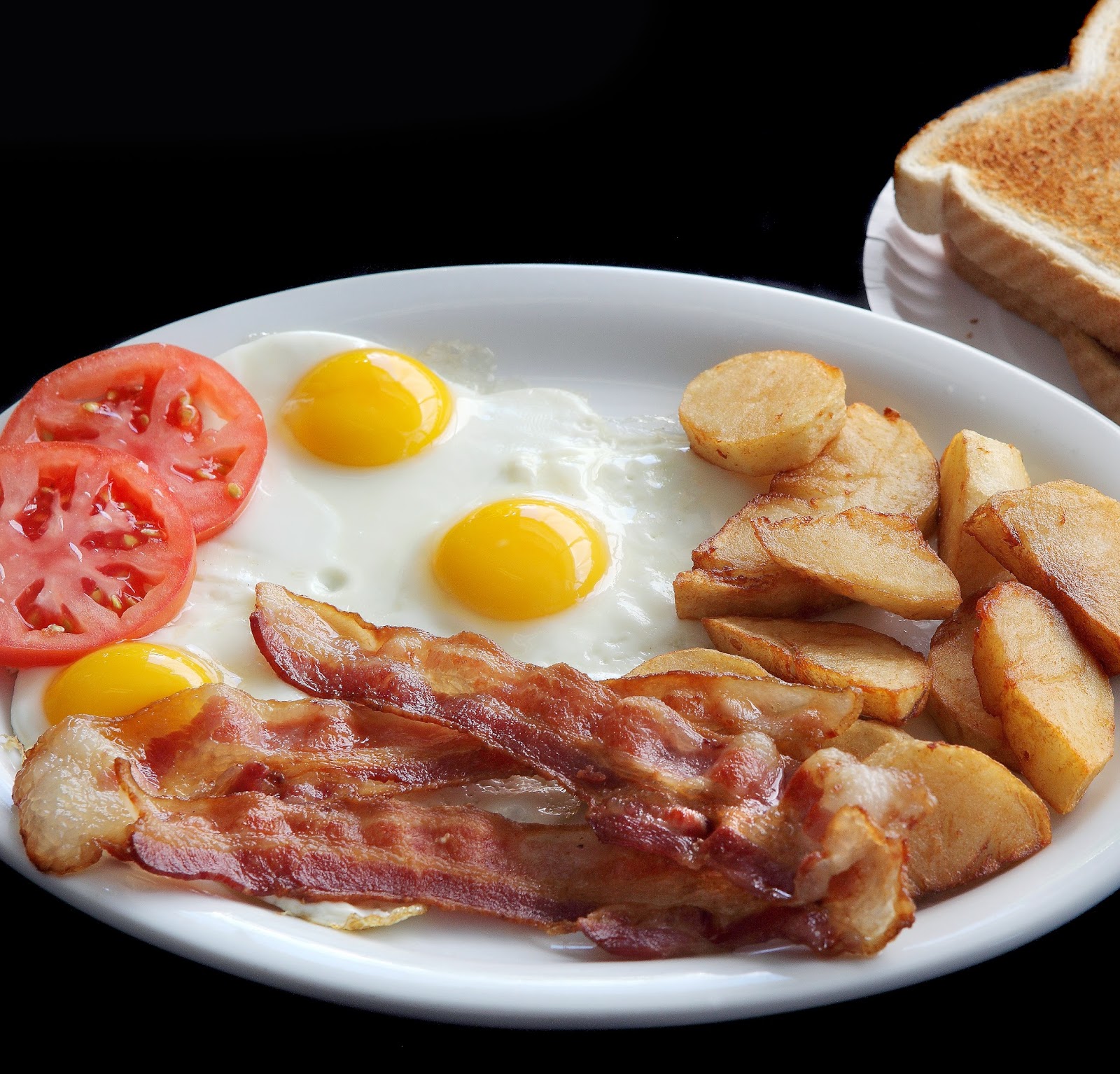
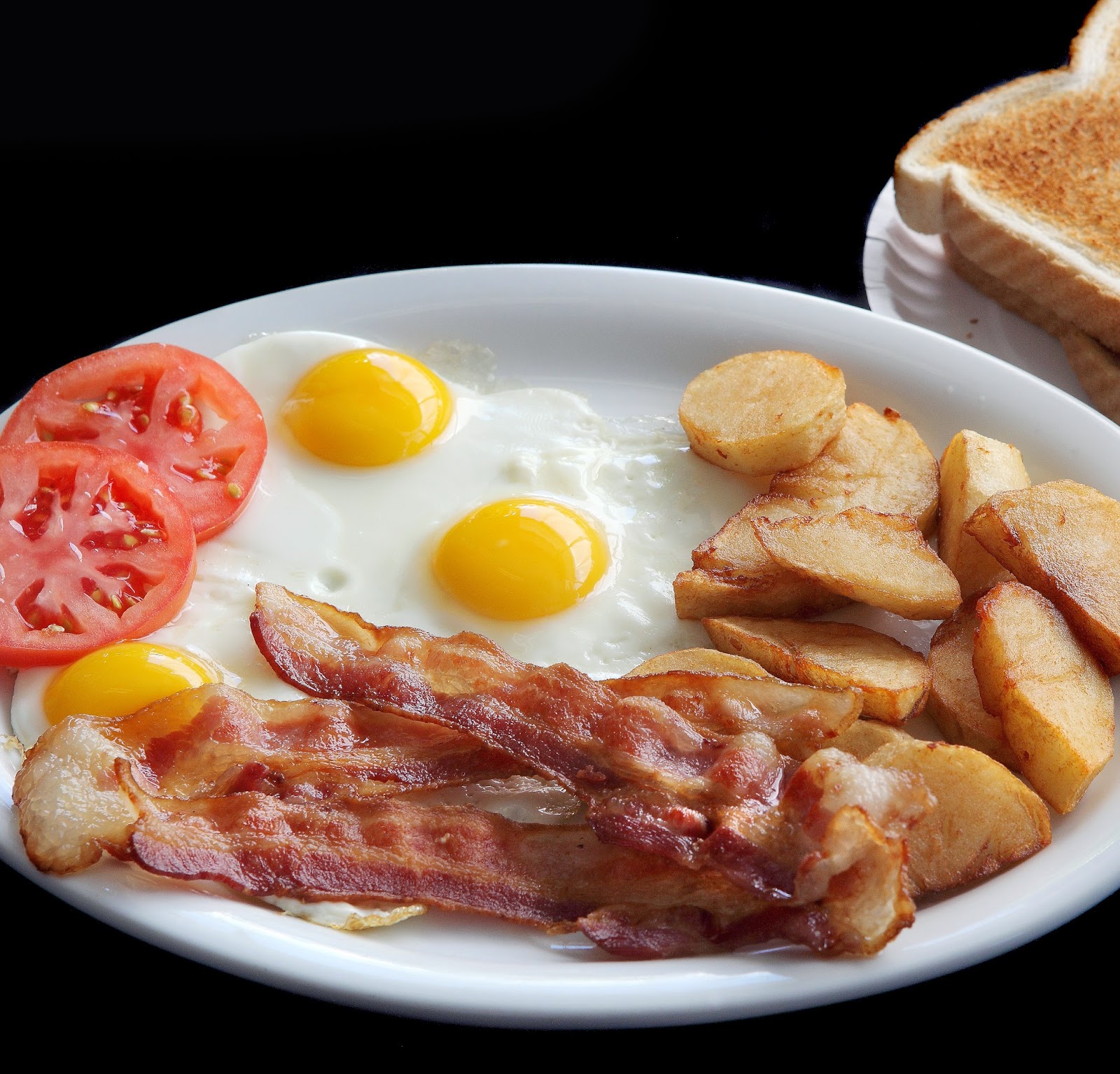
In this case, the defining characteristic would have to be the plate. Since all the objects in the photograph are being supported by the plate, you'll want the plate to stand out a little more. White against black equals beautiful contrast. Your eyes automatically ignore the black background in favor of the food that stands out beautifully against the white plate.


This photo of a cosmetic product makes use of contrast between elements. By itself, on a plain white background, the jar of mineralized powder would have looked very clean, yes, but a bit too simplistic to really catch attention. The colors alone are very basic; black cover, light pink glass, white background.

The literal splash of color adds excitement to what could have been an otherwise very proper, very silent set-up. Colors and shades aren't the only things you can contrast in a picture. Elements like a rush of activity in the background against a subject standing still, or a very small object propped up against a huge building are examples of good contrast.

This is another example of contrasting elements. Just like the photo above, this contrasts chaos versus quiet. A blur of activity versus focus.
http://www.productphotocanada.com
Imagine if the background and subject were the same. If the van was blurred as well, you wouldn't have anything to focus on. You'd be left looking at a pretty bad picture. If the background and the van were both still, there wouldn't be a sense of movement. You'd think the van was parked.

Many toronto product photography services have professional photographers who understand this concept very well. When you use proper contrast with proper angling, lighting, and exposure, the results are nothing short of breath-taking.


Sunday, June 29, 2014

Toronto Commercial Photographer | It's All About The Angles


Let's face it -- straight-on, full-frontal shots are boring. They're good for self-portraits and passport photos. But if you're trying to catch someone's attention, shots like this fall flat. Imagine a picture of a plate of food taken at eye-level. No rotation, no slight angling, no special way for the light to catch the edge of the plate just so … nothing.

One of the best ways to capture an eye-catching photograph is to experiment with the angles. Any professional Toronto commercial photographer knows that interesting angles are the foundation of interesting pictures. Anything crazier than interesting, though, and you risk the photo looking ridiculous. Balance is key.

ASSORTED
Toronto Commercial Photographer
The color of the background and the video camera are both gray. The only thing different is the shade and color gradation, and yet the camera stands out beautifully.

This is because the slight tilt and rotation of the camera allows the viewer to see the details of the front and the side at the same time. The angle here not only looks artisitc; it gives the object dimension.

COSMETICS
Product Photography toronto
This is an example of how angling the shot can really bring out the contrasting colors. While you're finding the right angle, remember that object placement is also very important, especially when there's more than one in the photograph.

By placing the black box at the back, the light-colored foundation bottles at the front stand out even more. If the box had been in front, their black-colored caps would be emphasized. Then the cream colors would have been covered, and the whole picture would just be one big splash of black on white.

The angle here is a slight bird's-eye-view; we're made to look at the set-up as though we're at a higher level, looking down. Again, this emphasizes more details, like how many foundation bottles there are. If the angle had been a simple straight-on shot, the contrast between white, black, and brown wouldn't have been as dramatic.
FOOD
Product Photography toronto

The main problem when taking a single subject on a plain background is space. You don't want there to be too much space around the subject, so you come in closer. But you don't want there to be a lack of space either, or else the picture risks looking abruptly cut off.

Again, balance is key. The angle here cuts off a little of the plate, but it focuses on the truly eye-catching (and, quite frankly, mouth-watering) details of the food, such as the yellow of the eggs and the oily goodness of the bacon.

FURNITURE
Product Photography toronto
You can use angles to accentuate and emphasize certain features of the subject. Composing makes use of the lines and light sources on the photograph to draw attention to certain characteristics of an object.

In this example, the eye is immediately drawn to the gold sculpting on the corner edge of the furniture. The angle makes the piece feel solid. Thanks to the position of the shadows, we can tell that the corner with the gold sculpture is at the very front.

The break in the lines of the wood also further accent the corner. When uniformity is disrupted, our attention is immediately drawn to whatever looks different.

INDUSTRIAL
Product Photography toronto

You can dramatically alter your photo composition just by changing the angle of the camera. It doesn't even have to be drastic adjustments. Simply rotating the subject brings out fantastic results.

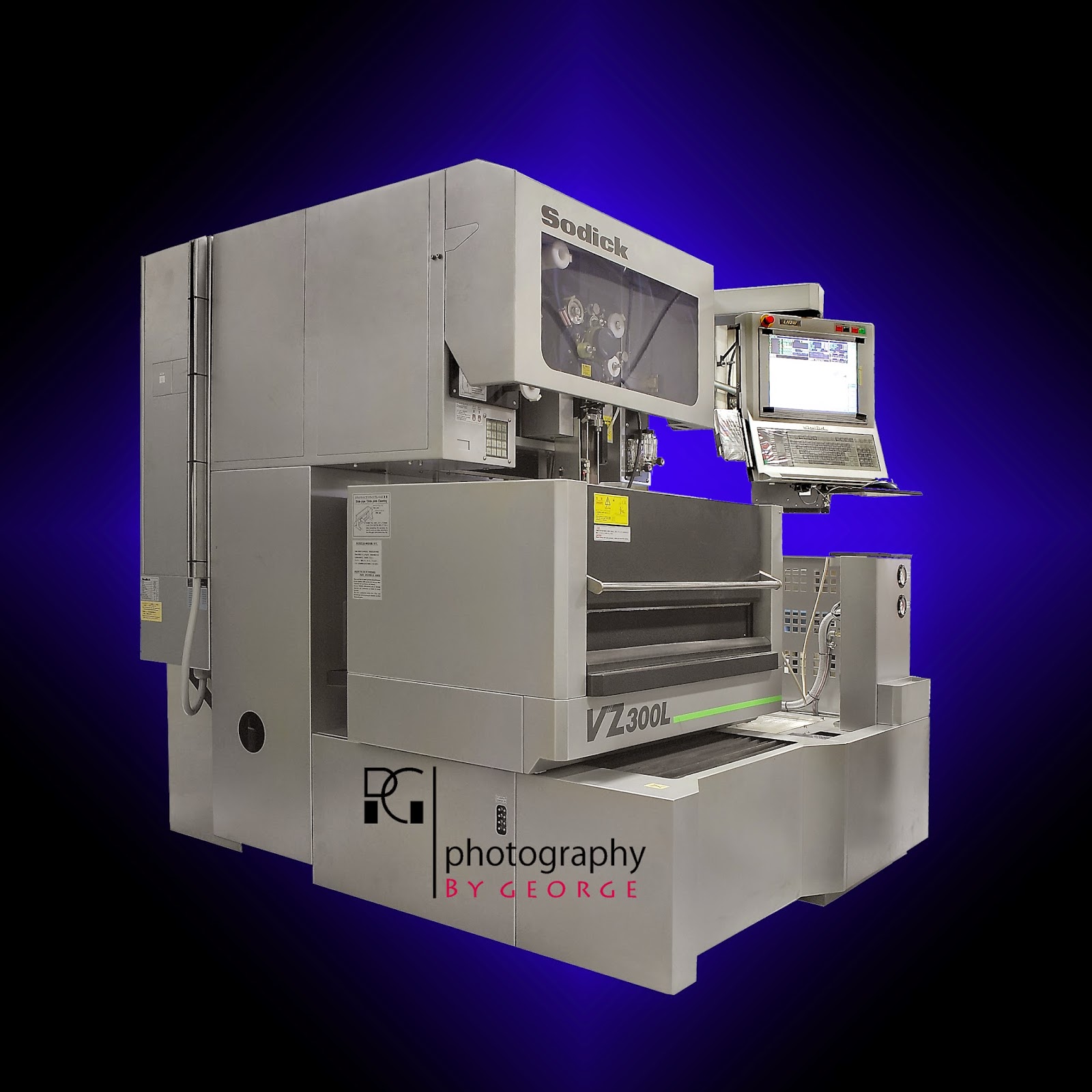
All experts in product photography Toronto understand the importance of giving the subject dimension. Just like the video camera in the first picture, the picture gives you a sense of the bulk, the weight, and the width of the machine. And all it took was a little angling.

Tuesday, June 10, 2014

3 Tips For The Best Corporate Portrait Results


Do you have what it takes to become a professional photographer? If you are into it, can you say that you're now skilled to shoot corporate portraits?

Experts say that photographing corporate personnel for business websites and magazine articles is a far cry from that of taking pictures of a company event. The former is like taking a portrait shot in a professional studio.

Nevertheless, you may be surprised to know that everything is different in this type of digital imagery -- from the atmosphere to lighting, to the gear you use. A portable lighting equipment that you can assemble and disassemble in minutes is the preferred type.


There are also different kinds of corporate portrait photography. This article focuses on the type done indoors. Here are tips for getting the best possible results spending less on gear and lighting equipment:

1. Client relationship


Establish a good relationship with your client by meeting them face to face. Imagine yourself interviewed and you'll only be hired as a Toronto commercial photographer if the firm is convinced of your skills, credentials, and perhaps your personality. Prepare your professional portfolio showing your excellent works. Once hired, aim to build a lasting relationship and they'll keep coming back for your services.

2. Client needs
Often times, companies know exactly what they need whenever they need the services of a photographer.  For some,  there are those who don't have any idea at all. They only think of  having a photo shoot of their employees, period. Take the initiative of knowing what they really need during your first meeting. Show them your work samples. You might be able to squeeze out some ideas without them conscious of it. From that, you can start to write down your specific objectives for that particular job.

3. Use a quote
Give them one that's based on their needs. Once done, determine the number of hours, the cost of labour and equipment you'll be needing for the shoot. Give them the details and do not hold back any info relevant for your shoot. In other words, give them an accurate quote.


Of course, you have to tell them that before anything is perfected, you prefer to have everything documented in a written contract. This is not only for your protection but of their's as well. Hence, professional photography Toronto is just like any other career, where workers need to be protected.